
What Is Aural Rehabilitation and How Can an Audiologist Help?
- posted: Jan. 13, 2026
At Signature Hearing & Balance, serving patients in Richmond and La Grange, we help individuals rebuild communication skills after hearing loss. Many patients assume hearing devices alone resolve listening difficulties. In reality, effective communication requires the brain to relearn how to interpret sound. Aural rehabilitation provides that structured support.
What Aural Rehabilitation Means
Aural rehabilitation is an individualized program designed to improve how patients understand and process sound. Hearing loss alters the brain’s access to speech cues, tone, and timing. Aural rehabilitation addresses this disruption directly.
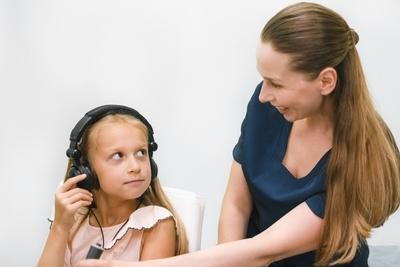
For patients, aural rehabilitation often includes guided listening exercises that retrain the brain to recognize speech patterns, distinguish similar sounds, and manage background noise. Programs may focus on improving clarity in conversation, following speech at normal speed, and reducing listening fatigue. Education plays an important role. Patients learn how hearing loss affects communication and how to use specific strategies to improve understanding in daily environments.
Aural rehabilitation also includes counseling and skill-building. Patients practice communication techniques such as positioning, pacing conversations, and using visual cues. This structured approach helps patients move from hearing sounds to understanding meaning with less effort.
How Hearing Loss Affects Communication
Hearing loss often affects clarity more than volume. Many patients hear voices but miss key words, especially in group settings or noisy rooms. As a result, conversations may require intense concentration, causing Fatigue and frustration.
Without intervention, the brain may become less efficient at processing sound. Over time, social withdrawal and reduced confidence become common. These challenges explain why amplification alone may fall short.
How an Audiologist Supports Aural Rehabilitation
As audiologists, we evaluate hearing sensitivity, speech recognition, and real-world listening demands. We identify where communication breaks down. Based on those findings, we design individualized aural rehabilitation programs.
Our role includes structured auditory training, communication coaching, and device optimization. We adjust hearing technology as skills improve. We also guide family members to support better communication at home. Progress occurs gradually, but consistency produces meaningful improvement.
Who Benefits From Aural Rehabilitation
Aural rehabilitation benefits adults and children with hearing loss, particularly those who struggle despite hearing aids. Patients who experience listening fatigue, background noise difficulty, or balance-related auditory challenges often see improvement. Early participation supports stronger long-term outcomes.
Schedule an Aural Rehabilitation Consultation
If hearing loss interferes with communication or daily activities, focused support can help. Contact Signature Hearing & Balance in Richmond or La Grange, TX at (866) 714-7495 to schedule a consultation. We provide personalized aural rehabilitation programs that help patients regain clarity, confidence, and connection.
- posted: Jan. 13, 2026
At Signature Hearing & Balance, serving patients in Richmond and La Grange, we help individuals rebuild communication skills after hearing loss. Many patients assume hearing devices alone resolve listening difficulties. In reality, effective communication requires the brain to relearn how to interpret sound. Aural rehabilitation provides that structured support.
What Aural Rehabilitation Means
Aural rehabilitation is an individualized program designed to improve how patients understand and process sound. Hearing loss alters the brain’s access to speech cues, tone, and timing. Aural rehabilitation addresses this disruption directly.
For patients, aural rehabilitation often includes guided listening exercises that retrain the brain to recognize speech patterns, distinguish similar sounds, and manage background noise. Programs may focus on improving clarity in conversation, following speech at normal speed, and reducing listening fatigue. Education plays an important role. Patients learn how hearing loss affects communication and how to use specific strategies to improve understanding in daily environments.
Aural rehabilitation also includes counseling and skill-building. Patients practice communication techniques such as positioning, pacing conversations, and using visual cues. This structured approach helps patients move from hearing sounds to understanding meaning with less effort.
How Hearing Loss Affects Communication
Hearing loss often affects clarity more than volume. Many patients hear voices but miss key words, especially in group settings or noisy rooms. As a result, conversations may require intense concentration, causing Fatigue and frustration.
Without intervention, the brain may become less efficient at processing sound. Over time, social withdrawal and reduced confidence become common. These challenges explain why amplification alone may fall short.
How an Audiologist Supports Aural Rehabilitation
As audiologists, we evaluate hearing sensitivity, speech recognition, and real-world listening demands. We identify where communication breaks down. Based on those findings, we design individualized aural rehabilitation programs.
Our role includes structured auditory training, communication coaching, and device optimization. We adjust hearing technology as skills improve. We also guide family members to support better communication at home. Progress occurs gradually, but consistency produces meaningful improvement.
Who Benefits From Aural Rehabilitation
Aural rehabilitation benefits adults and children with hearing loss, particularly those who struggle despite hearing aids. Patients who experience listening fatigue, background noise difficulty, or balance-related auditory challenges often see improvement. Early participation supports stronger long-term outcomes.
Schedule an Aural Rehabilitation Consultation
If hearing loss interferes with communication or daily activities, focused support can help. Contact Signature Hearing & Balance in Richmond or La Grange, TX at (866) 714-7495 to schedule a consultation. We provide personalized aural rehabilitation programs that help patients regain clarity, confidence, and connection.
Hours of Operation
By Appointment Only
Monday
9:00 am - 5:00 pm
Tuesday
9:00 am - 5:00 pm
Wednesday
9:00 am - 5:00 pm
Thursday
9:00 am - 5:00 pm
Friday
9:00 am - 5:00 pm
Saturday
By Appointment Only
Sunday
Closed